The best toys for a speech delayed toddler.
Round up of the 5 top toys and books to promote speech and language development in the early years. Here are my picks for May.
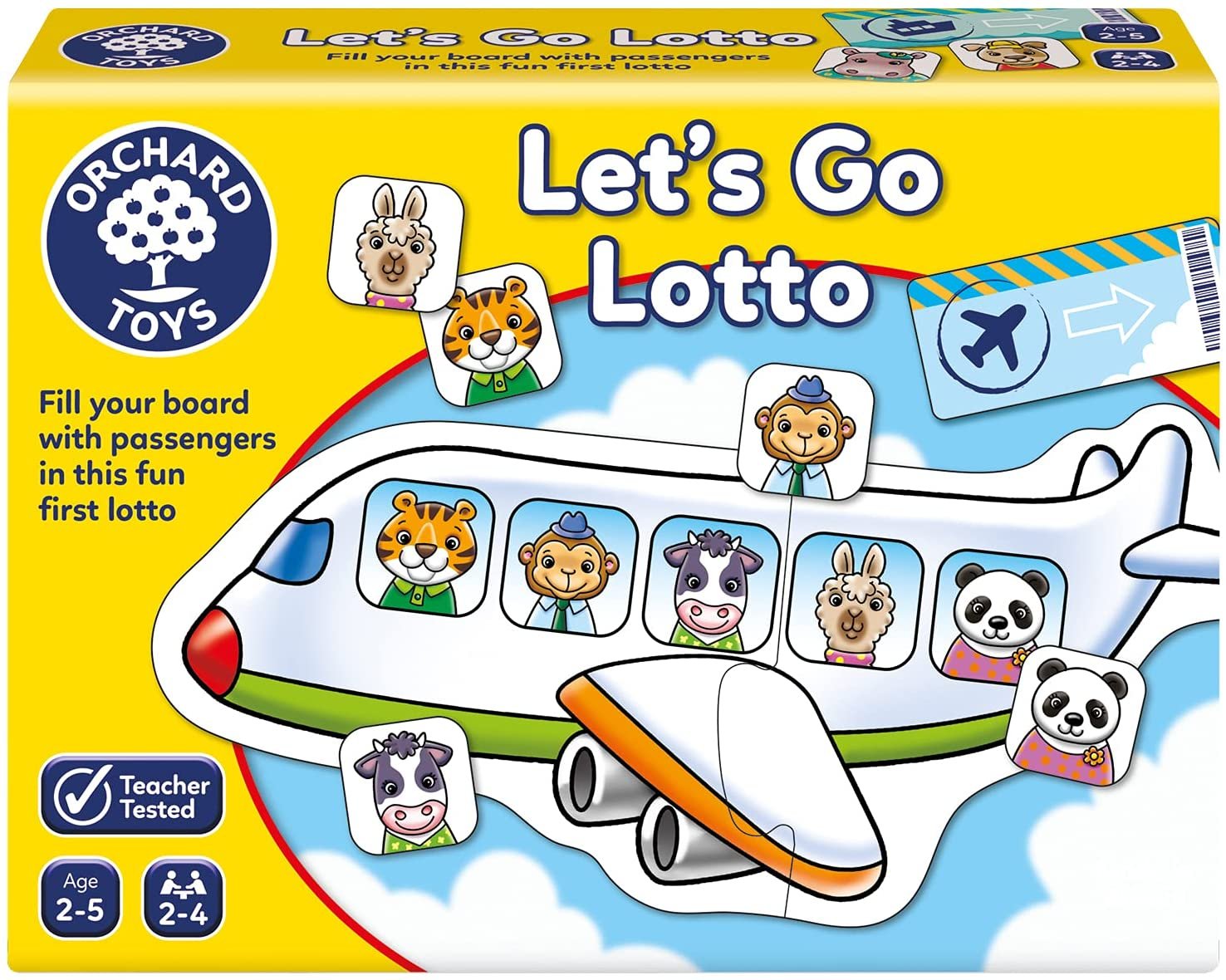
Lotto games are wonderful for developing high frequency vocabulary (words that we come across again and again), because we play them over and over and this repetition is brilliant for language learning.
If you want to level-up this game for more established communicators, why not add a treasure hunt element to the game! Hide the pieces your little one needs around the room, and they have to fill up their board by hunting for them

This toy has it all! The construction element, the sensory element (that magnet click is so pleasing!) and opportunities for imaginative play with the animals.
There are so many opportunities to teach new words with this toy:
Animals & vehicles
Concepts (colours, positional language)
Action words

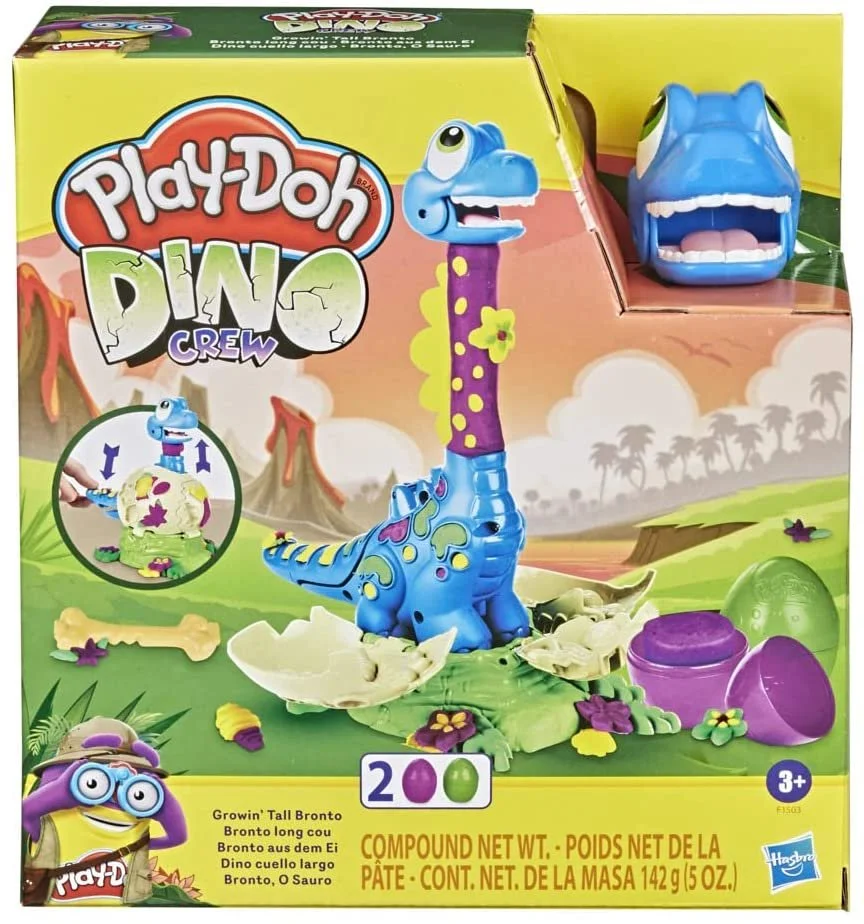
Play-doh may not be your fave as a parent - the mess, the colour mixing, the whole thing! But what’s not to love with this one! A dinosaur that hatches and grows!
The reason this is a good one is because of the unexpected and fun nature of the toy! When little ones are engaged in fun activities they want to share and talk to us about it! So consider introducing some ‘silly’ toys into your little one’s routine.

This is a spiral bound book which follows the same sequence as the title “do you like xxx on your xxx”. It allows you to match together the correct items or to make up silly sentences.
I love this book as it gently works on word associations and introduces the concept of having fun with language and joking. If you want to take it a step further you can talk about why the items do or don’t go together.

You could easily make this game at home - my drawing skills aren’t up to scratch but yours may be!
This is a game I would primarily use to work on following instructions, and developing understanding of descriptive vocabulary (e.g. “can you give the girl the spotty skirt”).
But you could also use it to talk about the ‘getting dressed’ routine.
*Some links are affiliate links, which means if you click through and purchase I will earn a small commission
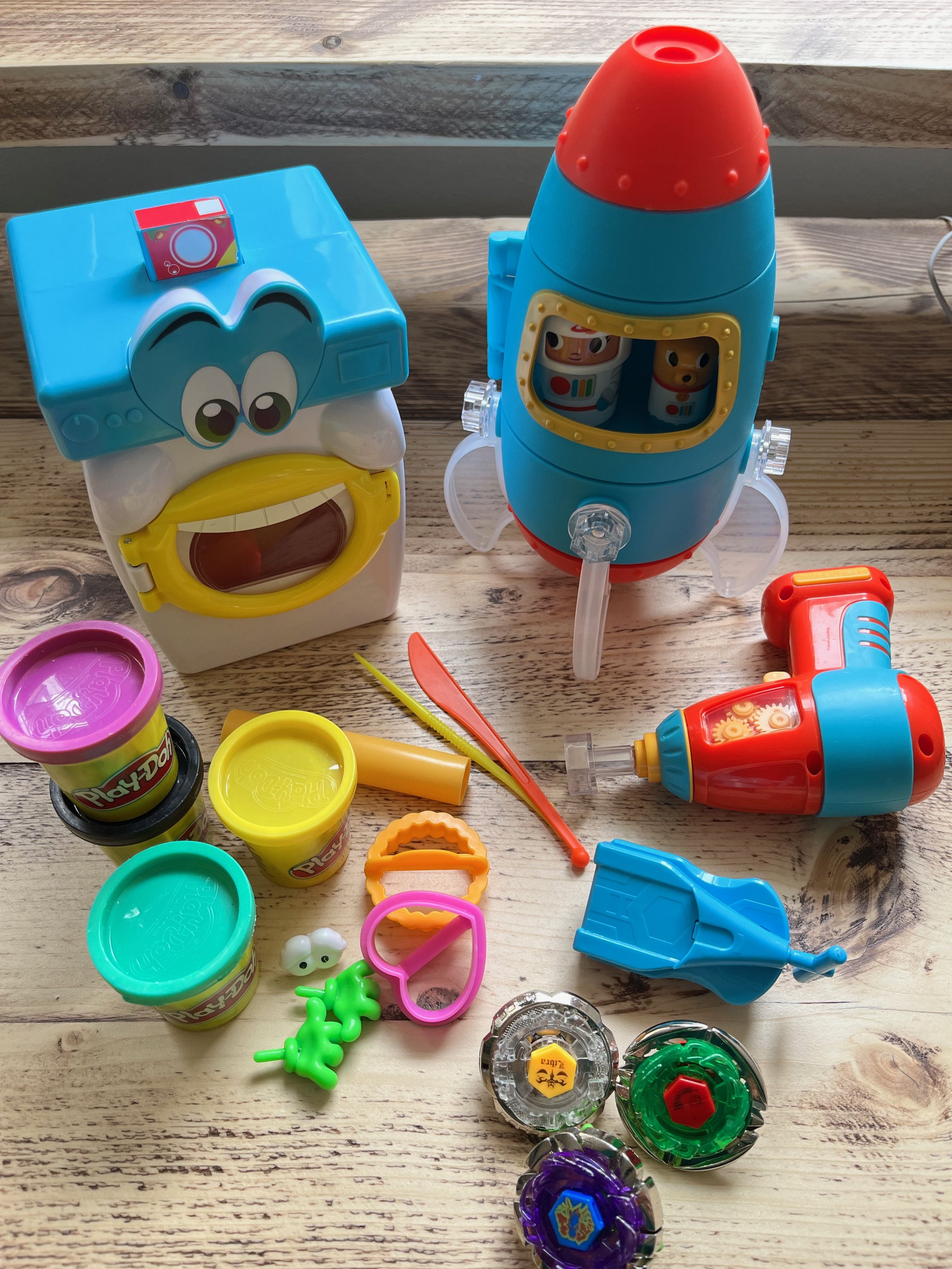
Top speech therapy toys!
Speech and language therapy toys

I always say, it’s not the toys themselves that make for a magical speech therapy session but what you do with the toys that makes the magic.
However there are some toys that are so fun that it is a little easier to bring that sparkle!
On Wednesday this week, I did a IG story series where I showed behind the scenes of a day-in-the-life of a speech therapist! By the end of the day I had so many questions about the resources I use, and when they can be bought. So I am responding to that call!
Here are the details of what’s in my therapy bag….
How to use these toys to develop speech, language and communication skills
These 4 toys (plus a few extras, see below!) came with me for a full day of therapy. On the day in question I saw two 4 year-olds in nursery and two 3 year-olds in their homes.
I used these resources to work on:
Speech sounds
Following instructions
Developing conceptual language
Play skills

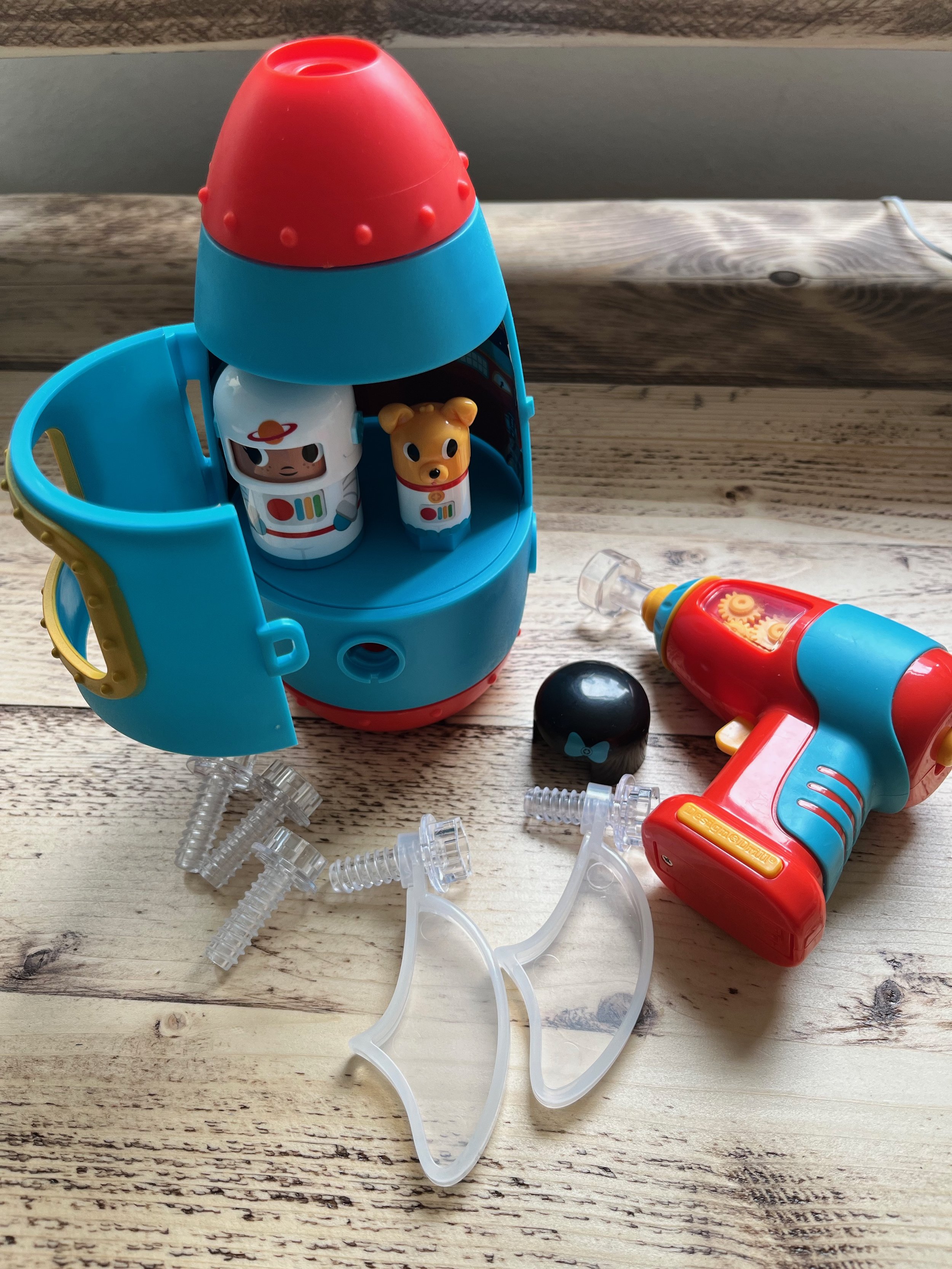
Working on speech sounds using the rocket!
I used the rocket tower on the /f/ sound. Although these activities work just as well for any target sounds, just switch out ‘f’ for your target sound.
Have the rocket ‘make’ a ‘fffffffff’ sound as it takes off into space!
Draw aliens and give them pretend ‘f’ names (e.g. “fa”, “fee”, “fow”).
Get the rocket to travel through a ‘f’ universe landing on different ‘f’ planets (‘fan’ planet, ‘farm’ planet'...)

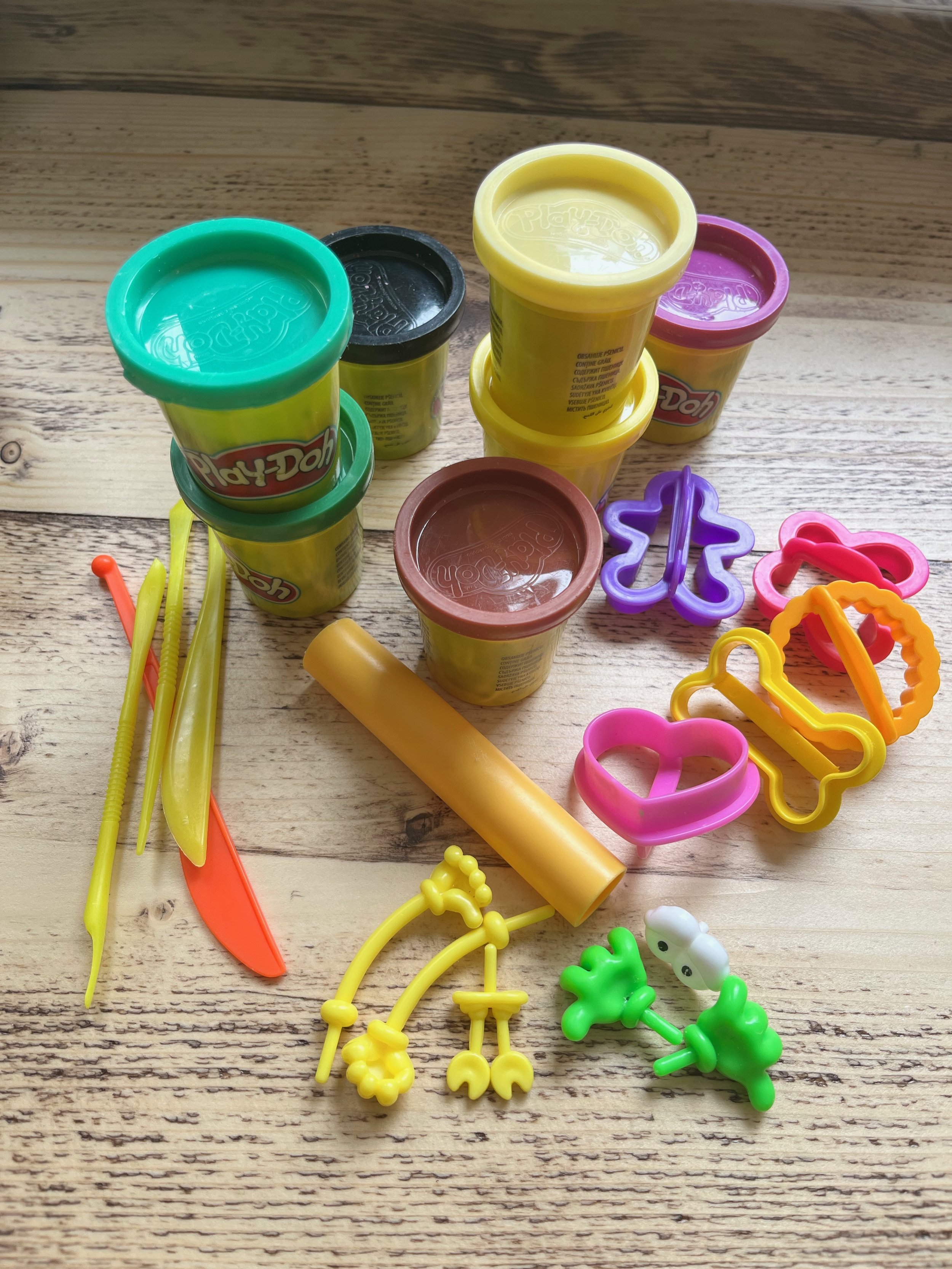
Working on following instructions using play doh!
Play doh plus these body-part accessories are perfect for working on following instructions!
Create a number of play-doh bodies! Green, yellow, purple…
Place a selection of body parts in front of your little learner.
Ask them to give a body part to one of the play-doh bodies (e.g. “give the green body 4 arms”).
Make this as simple or complicated as you like by increasing/decreasing the number of options.

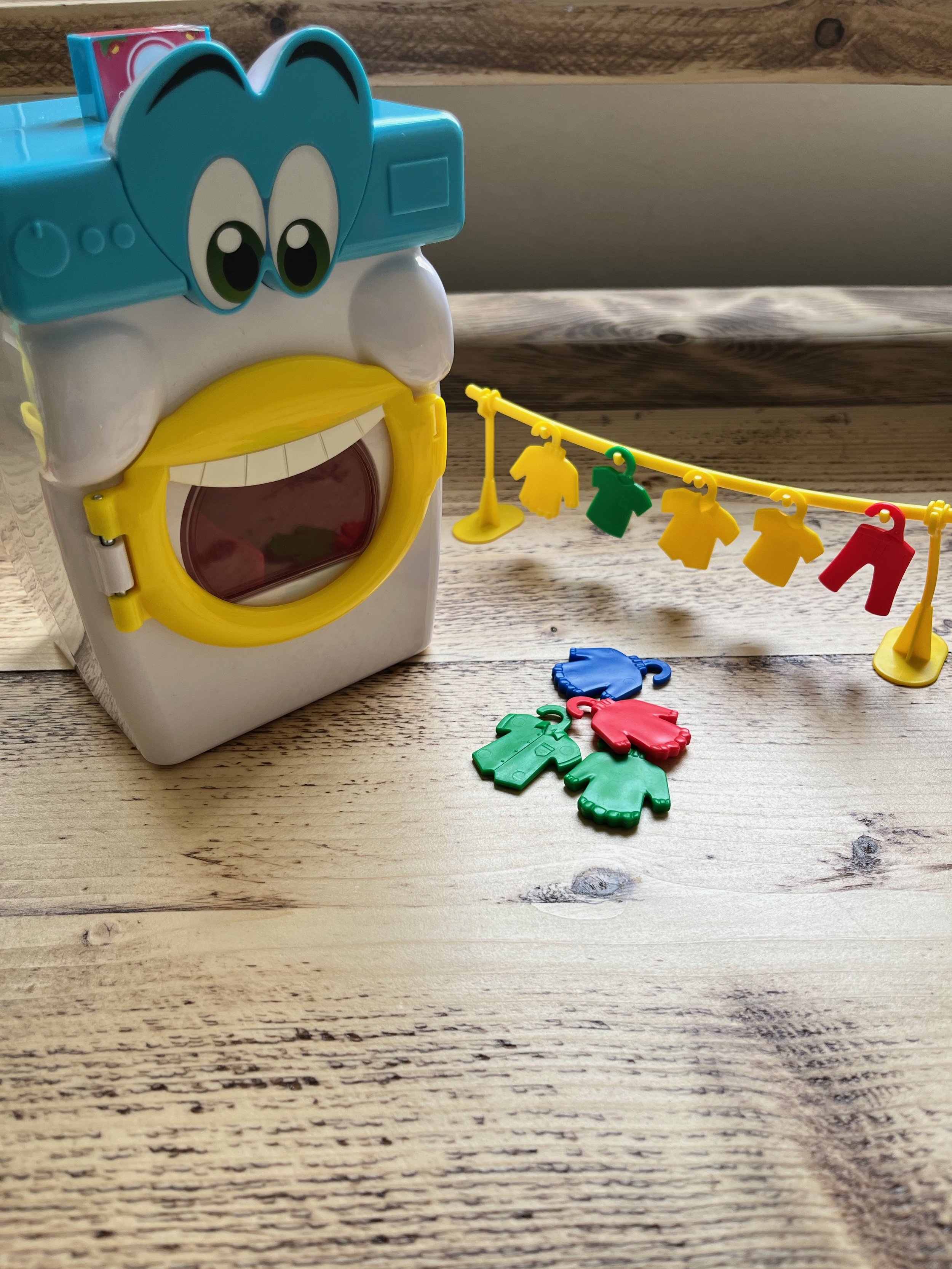
Working on concepts using the Washer!
The most obvious concepts to work on with this washer are colours and locations (in, on, under, infant, next to…). However these aren’t the only concepts you can work on with this toy!
More/ less.
Everything/ all the (blue clothes, trousers..).
All xxxx except the xxx.
I also like to add other resources in to “wash” picture cards, small little trinkets etc.

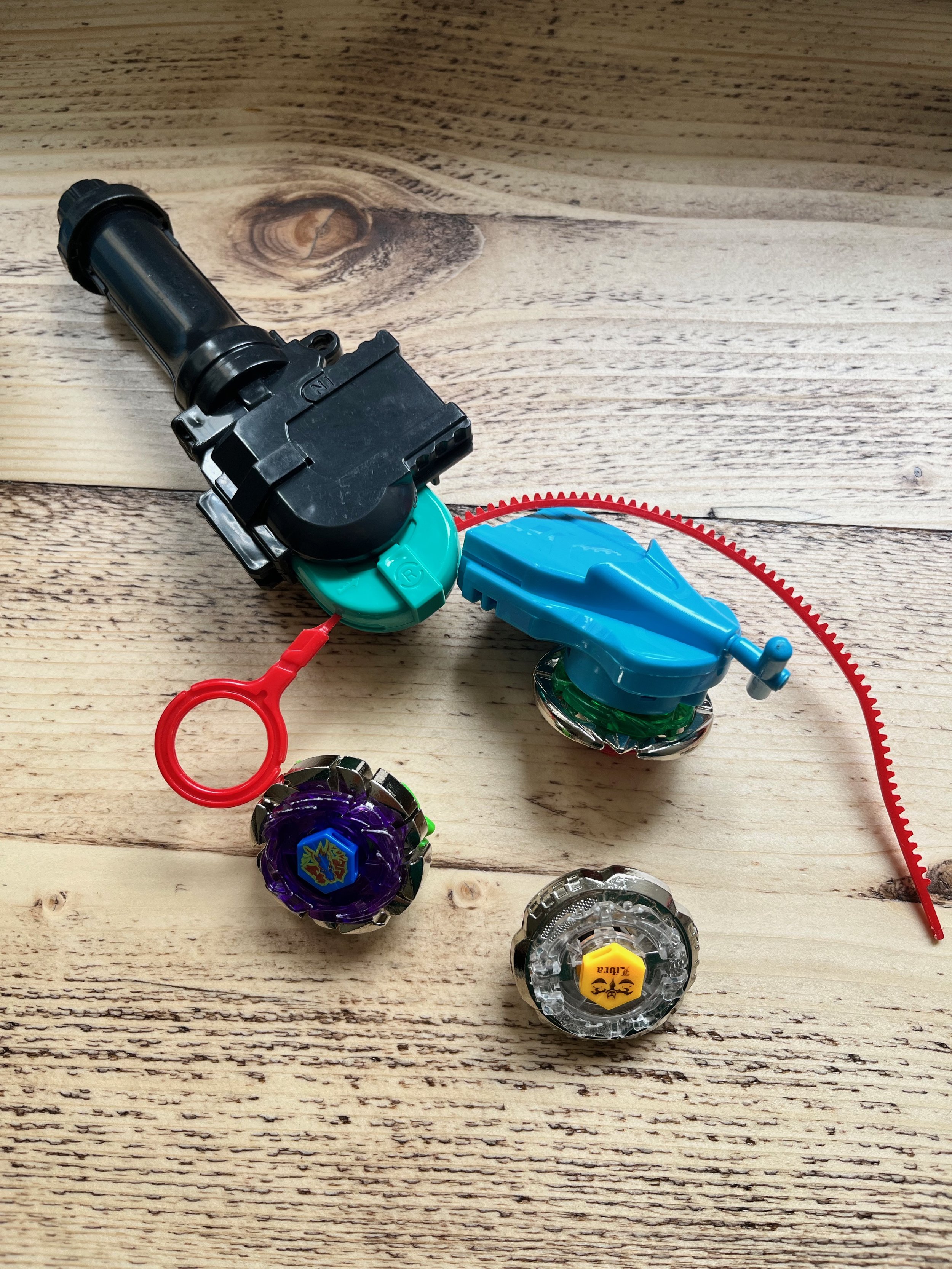
Working on play skills using Bey Blades!
Now I do like to use all these toys to work on play skills. Depending on the toy, they are good for different types of play. Bey Blades are a lovely simple toy that can be scaled up or down deepening on the little learner’s needs and skills.
Turn taking with ‘launching’ them! (making them spin).
Having a Bey blade battle, the last Bey blade spinning is the winner.
Creating an imaginative scene around the Bey blades (maybe they’re magical circles that will give us powers, maybe they’re a hurricane we need to escape from).
Extras!
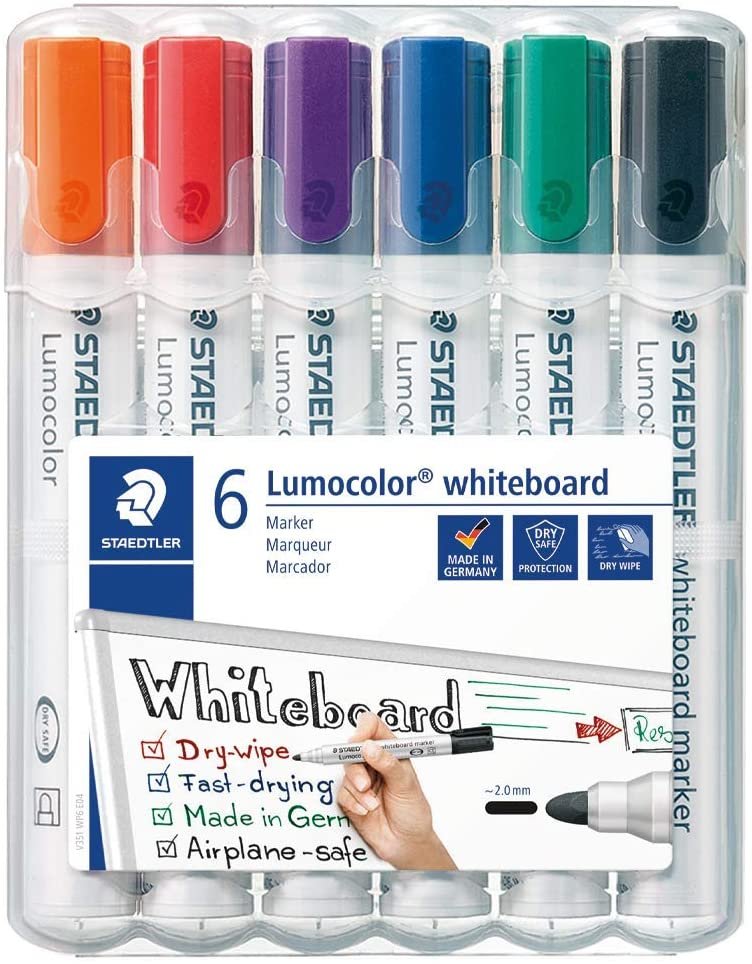
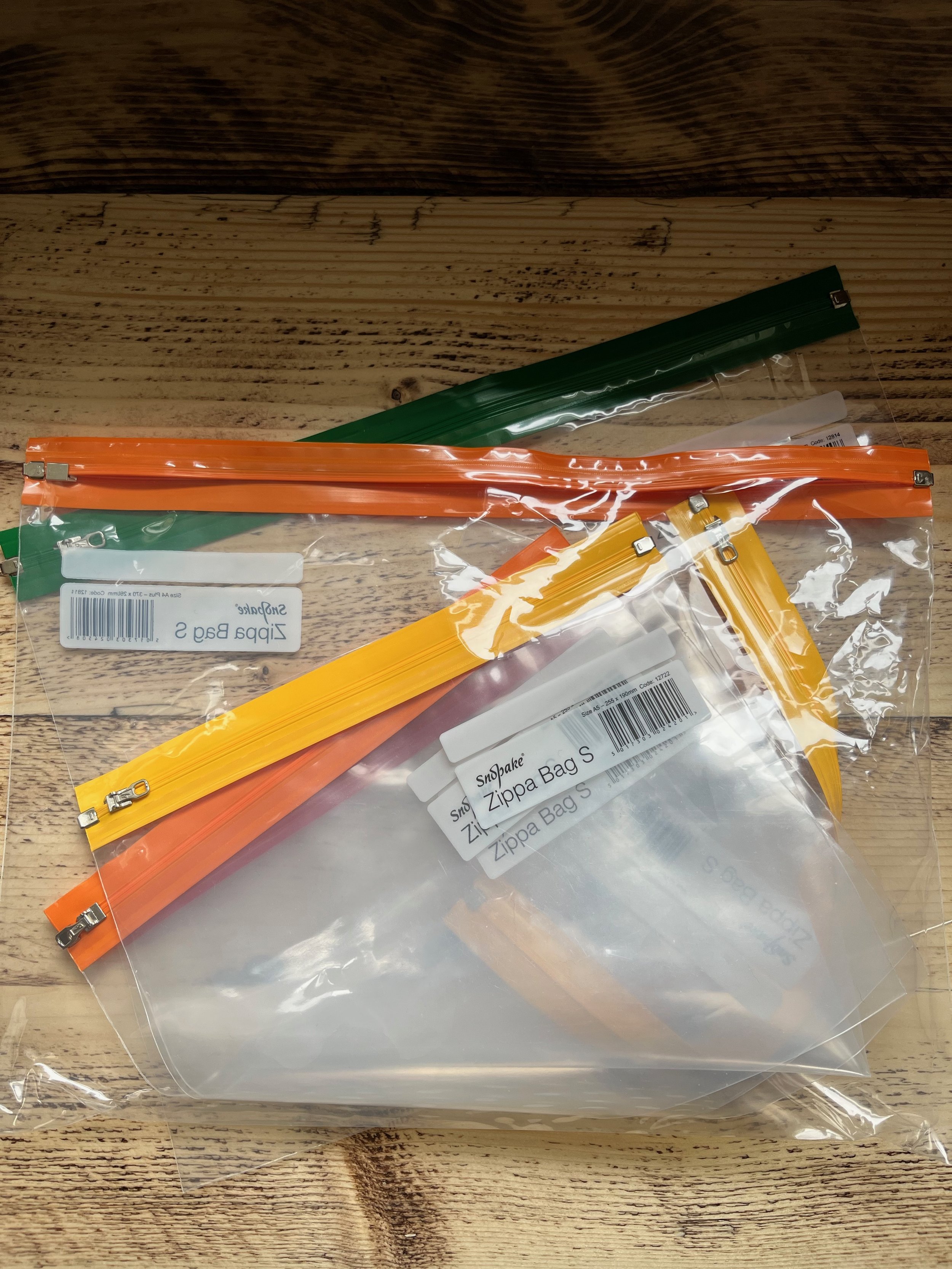
Here are the extra bits I use to keep things running smoothly!



*some links are affiliate links which means if you click through and choose to buy I earn a small commission.

What to do while you wait for speech therapy: the ultimate parent guide
My top tips for how to support your little one while you wait for speech therapy

It’s no secret that early intervention is the most effective way to support children’s speech and language development.
But what should that ‘intervention’ look like and what do you do as a parent while you wait for your child’s speech therapy appointment?
Let’s dive into this guide to help you, help your pre-schooler develop their communication skills.
Referrals – get them in, and don’t wait about!
If you’re not on the list you’re not coming in!
This is absolutely the case for speech and language therapy. There is always a wait for an appointment, but in the wake of covid these wait times have got a little longer.
So get the referral in sooner rather than later, if by the time your little one is at the top of the waitlist, they no longer need support then amazing!
But get that referral in as soon as you can. For information on how to do that, check out my instagram guide here.
Day to day strategies
Undoubtably you will have seen many of these strategies all over the internet. I talk about them myself over on my Instagram page (@sw_speechtherapy if you’re interested!) The reason they are repeated everywhere is because they work!
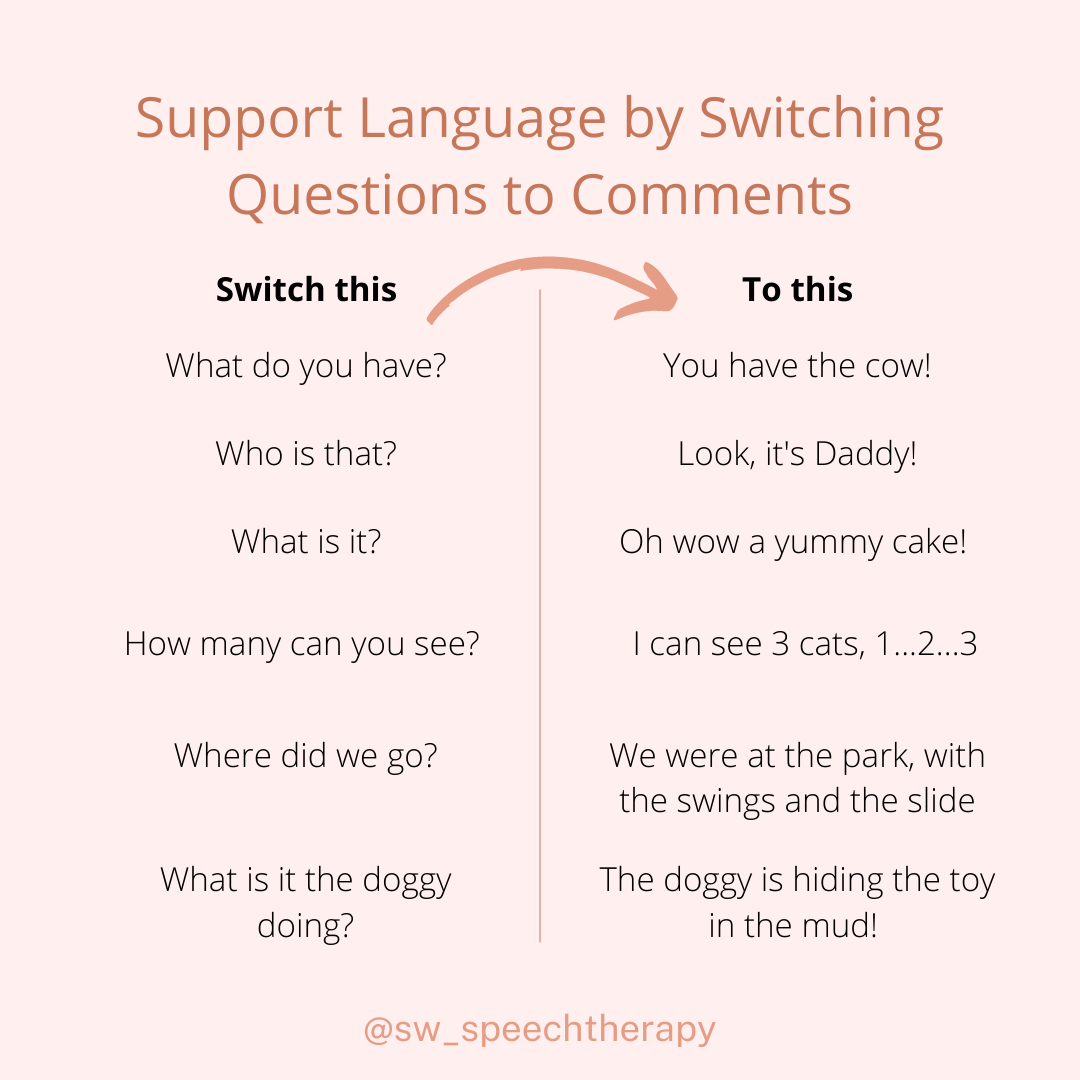
Swap questions for comments.
Children learn language through repeating what they hear.
Asking questions is great if you want your little one to be an interviewer! If you want them to learn new words we need to teach them by modelling.
Play
Quality over quantity all the way!
We can build a connection with children through joining in with the things they find interesting.
Set aside 10 minutes 3-5 times a week of distraction free playtime. This means, iPad away, TV off and no one coming in and bothering you! This is time dedicated solely to your pre-schooler.
Repetition
When talking is tricky, this one is super important. Children need to be exposed to a word many, many times to embed it in their vocabulary.
So, with that in mind, it is helpful to use the same language when carrying out the same action. For example, when you are getting your little one dressed you could say “t-shirt on…arms in” etc. every time. By being consistent in this way, not only are you increasing the likelihood that your little one will understand what is coming next, but you are providing them the opportunity to embed those words into their own vocabulary.
Parent training

Parent workshops are there for you if you have a little one in the early years, and you want more than just the day-to-day strategies.
The benefit of parent training courses is that they guide you through the process of supporting your little one. They aren’t specific to your child in the way that direct therapy is, but are a helpful bridge for parents who are waiting for their appointment.
I personally love a weekly course when I am learning something new, because I like a structured approach where I can add steps week by week. So if you’re anything like me then a speech and language course may be a good option for you! You can check out the course I designed to meet this need here.
The final, somewhat unexpected benefit of a parent course is the sense of community. They say it takes a village – which is true, but if your village is full of children talking and finding communication easy it can lead to you feeling like an outsider!
This is where a parent training course can help. Other parents in the same position as you who are never going to judge (because let’s face it, they totally get it) sharing strategies, the wins and the flops together.
Private therapy
So this is not an option that feels right for everyone.
If I am completely honest, I used to be a bit judgemental about the whole private healthcare thing a few years ago! Now I work full time as a private therapist, and I have never looked back. But how do you know if this option is right for you? I would ask yourself the following questions…
How worried are you about your child’s communication skills?
What impact are their communication difficulties having on their and your day-to-day life (how is it at nursery, how are daily activities?)
Have you tried some of the daily strategies? Have they made a difference?
How confident do you feel in supporting your little one?
Are their communication difficulties impacting their behaviour and/or emotions?
How long is the wait for a NHS appointment?
How confident are their nursery/ childcare setting in supporting them?
Hopefully reflecting on those answers will give you a steer as to whether private speech therapy is something you want to look into. If it is, you may be wondering where to look.
My top recommendation is on ASLTIP – it is a directory of independent speech and language therapists. You can search by location and specialism. Many therapists are quite busy at the moment so I recommend contacting a few to see who has space, and to ensure the fit feels right. Speech therapy should be a partnership between parent and therapist, so if it doesn’t feel like that then think carefully about whether that is the right person for you.
Want more tips & tricks from me? Head over to my Instagram @sw_speechtherapy