
Heatwave Play Ideas…how to change up the usual water play!

So there’s a heatwave in the UK at the moment (as if you didn’t already know, and it isn’t all anyone can talk about!)
Of course, this tends to mean lots water play to helps keep little ones cool. But what happens after you have played in the paddling pool or poured a few cups of water in a tray, how can you keep the water play interesting?!
Here is my round-up of how to keep water play engaging and little ones cool in the heatwave!
Ice Ice Baby….but make it interesting!
Introducing ice cubes into water play makes complete sense when it is nearly 40 degrees! My suggestion to make this type of play a little more interesting (and as a result an opportunity for communication!) is to change up the ice cubes themselves…

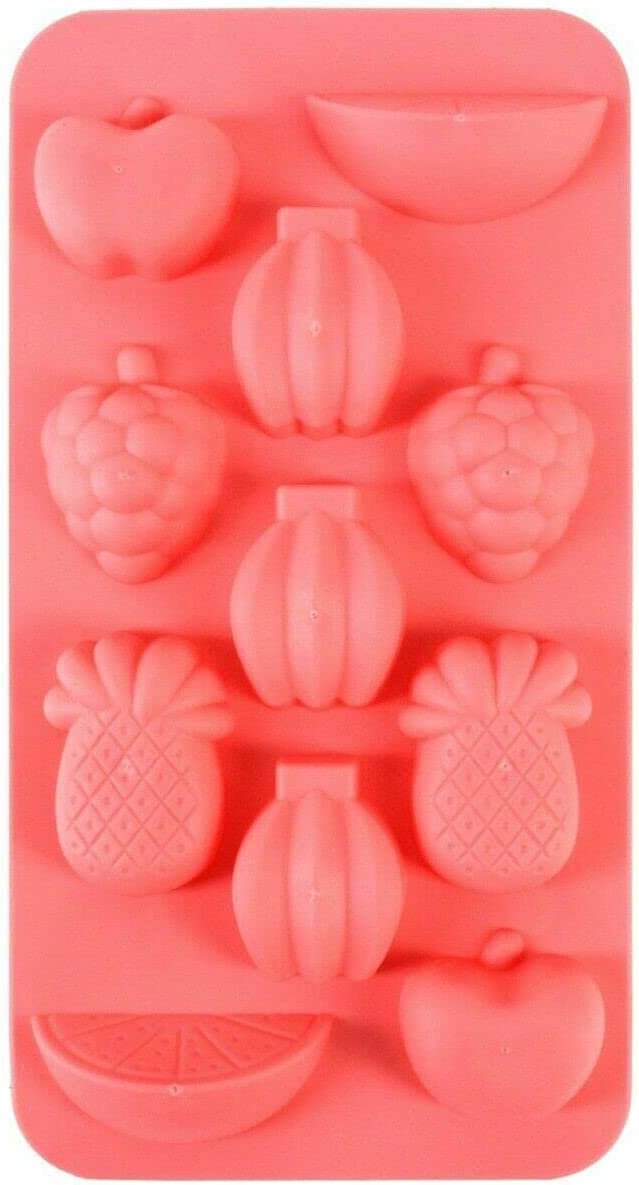
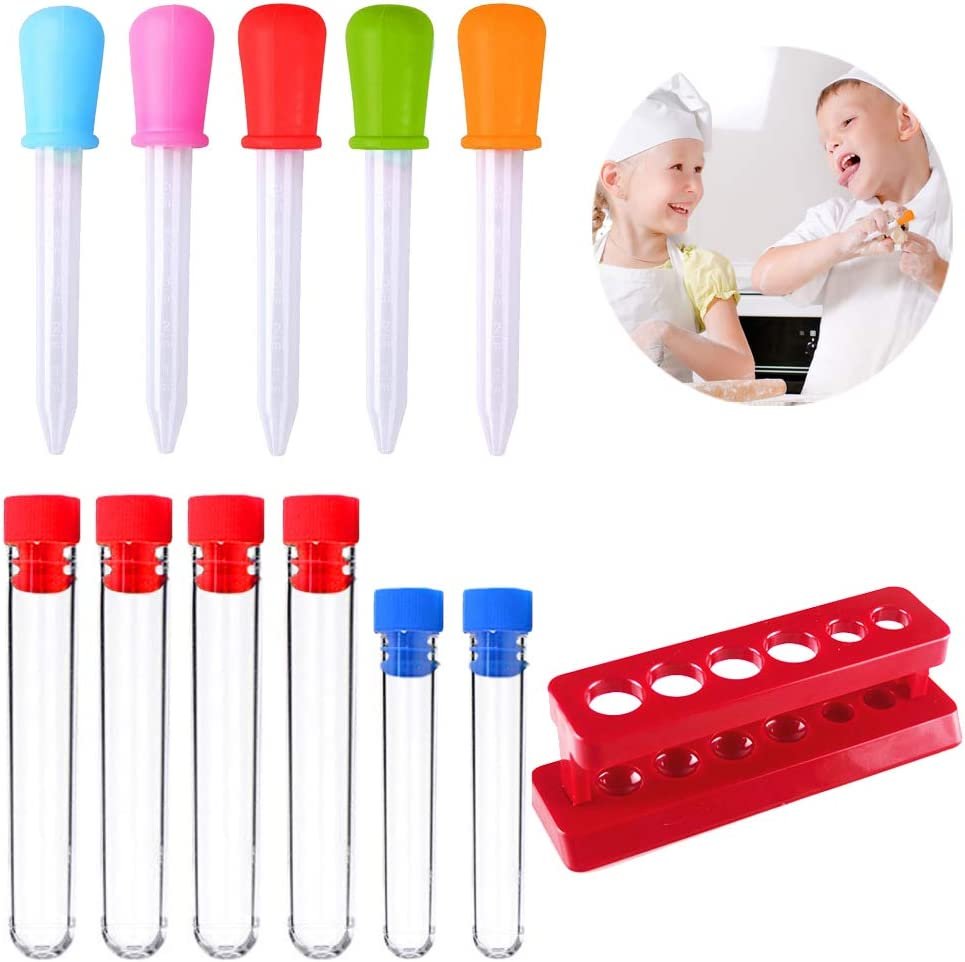
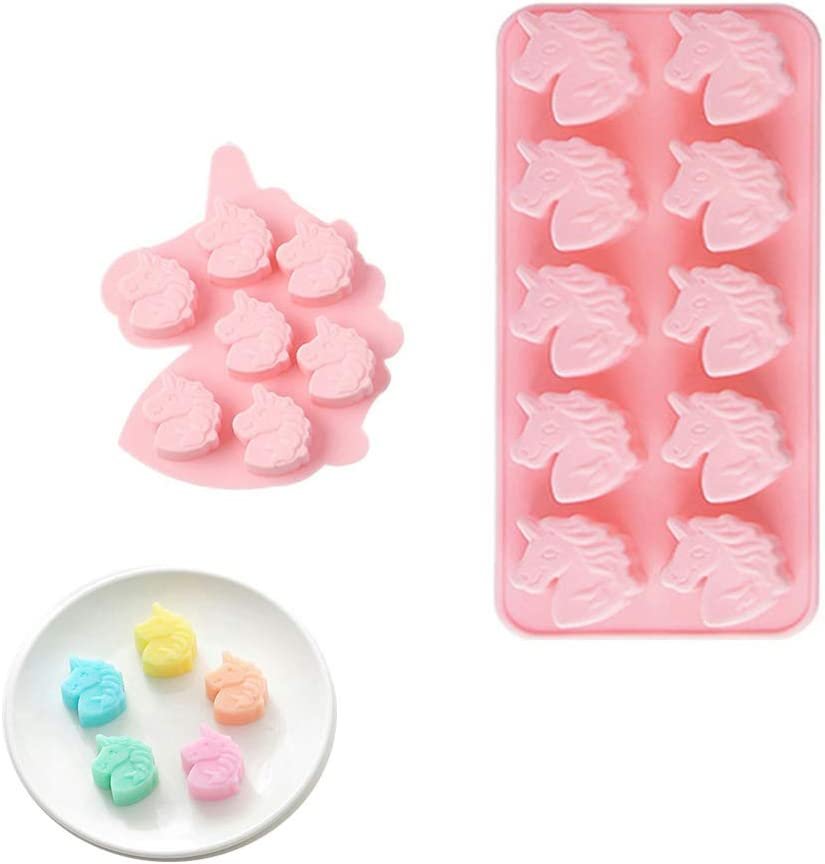
Using different shaped ice like this selection here, I also like that this set comes with a pipet which could easily be a part of your water table set up for your little one.
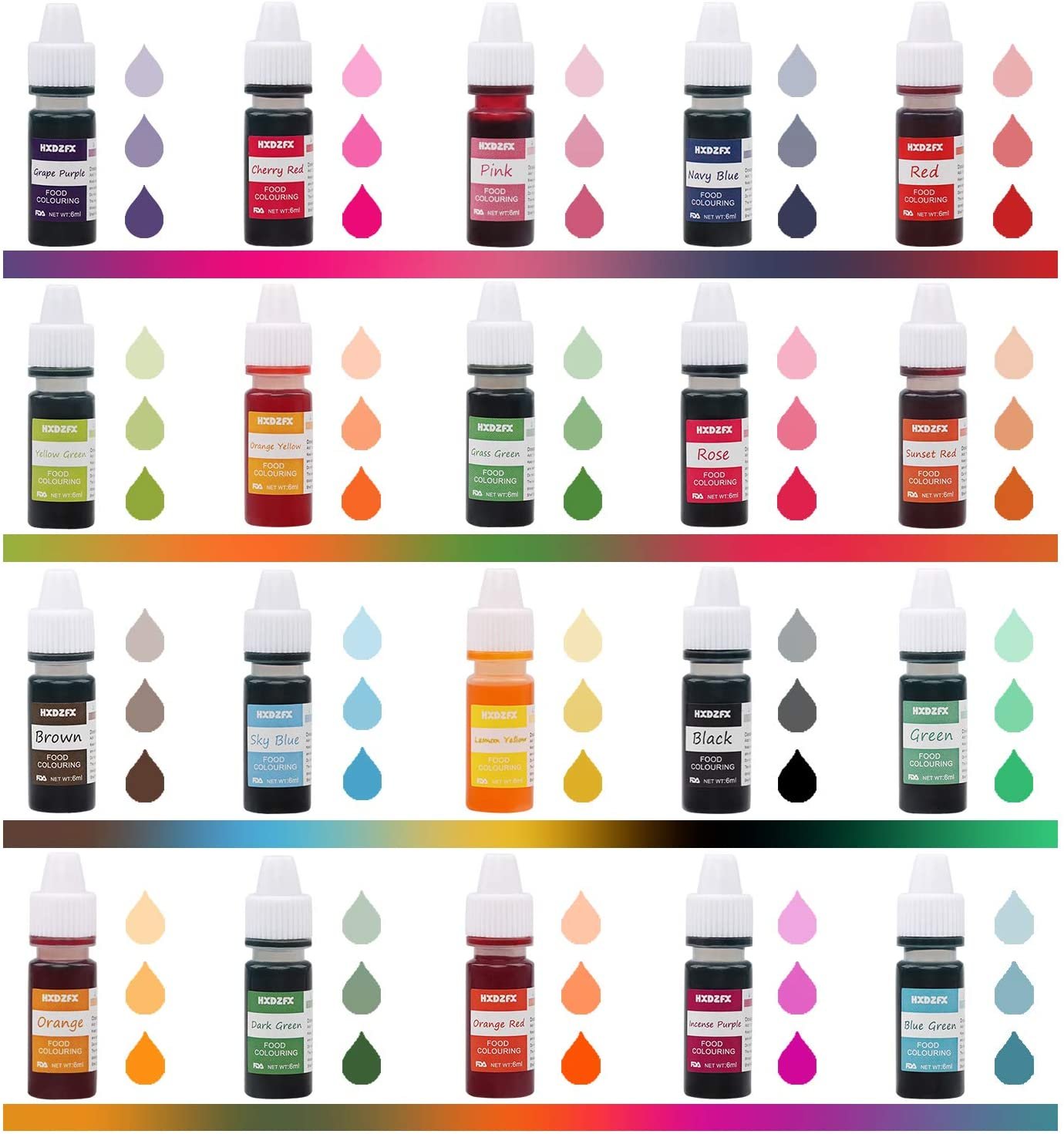
Use food colouring to dye your ice cubes different colours!
Freeze garden cuttings into the ice cubes (grass, petals, daisies, leaves…)
The ice cube prep can be done with or without your little one depending on time and their level of interest!
How does this boosts communication?
Children learn best when they’re having fun. If your little one is into the ice play, spend 5-10 minutes with them mirroring what they are doing and commenting on (labelling) what they are doing e.g. “squeeze the red ice cube!”, “pour the pineapples!”
Don’t eat yellow snow…what about yellow water?!

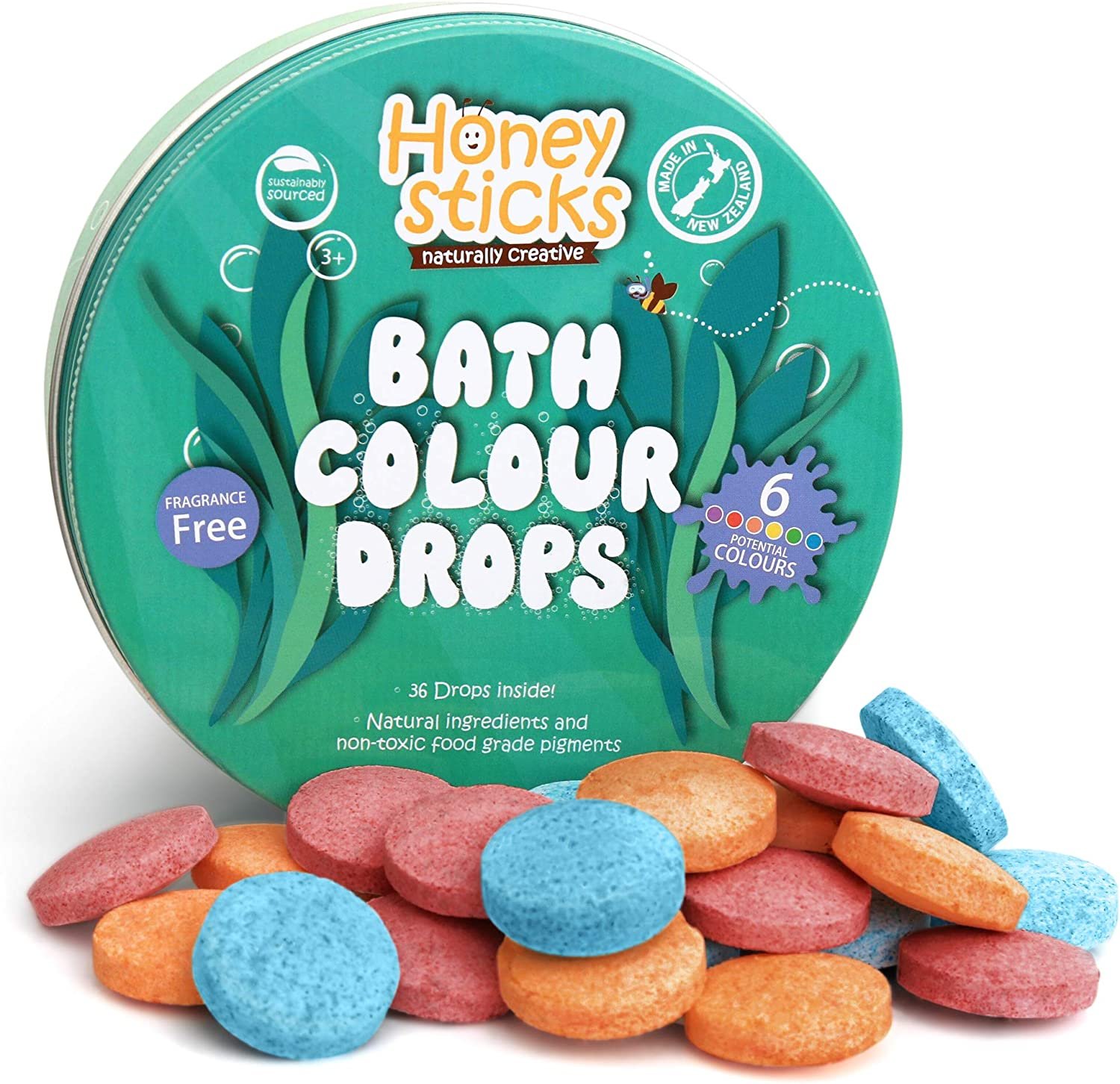
Another way to make water play more fun is to introduce coloured water!
You may be thinking, that’s all well and good but my child puts EVERYTHING in their mouth, so this is a recipe for disaster. I have found these food-grade bath colour drops, which means you don't have to worry about them getting sick from swallowing the water.
If you had a few Tupperware boxes/ jugs you could make each one a different colour for your little one to explore!
Water challenge at home!
This one is for you if you have a garden/ outdoor space you can escape to!

You will need…
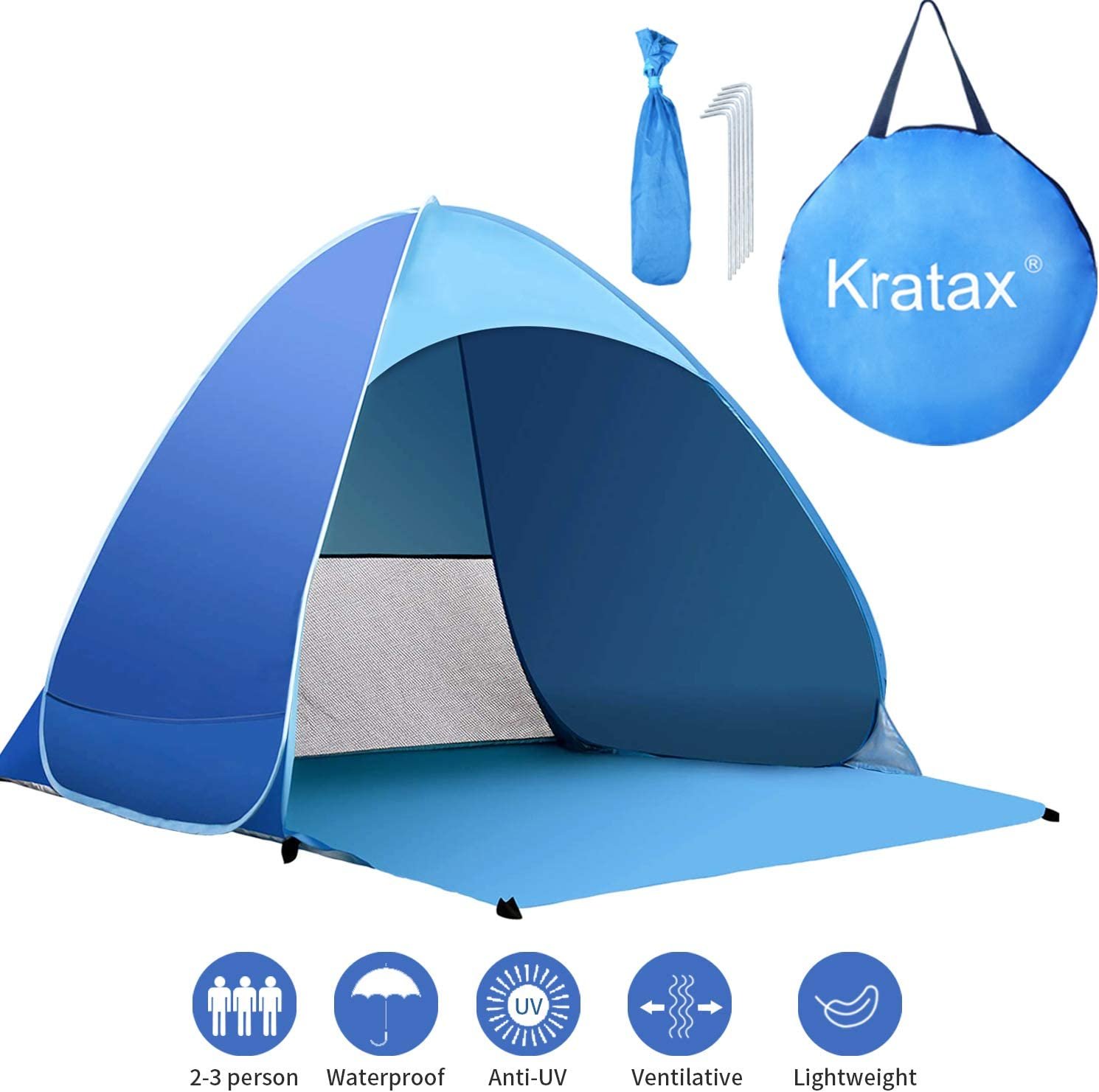
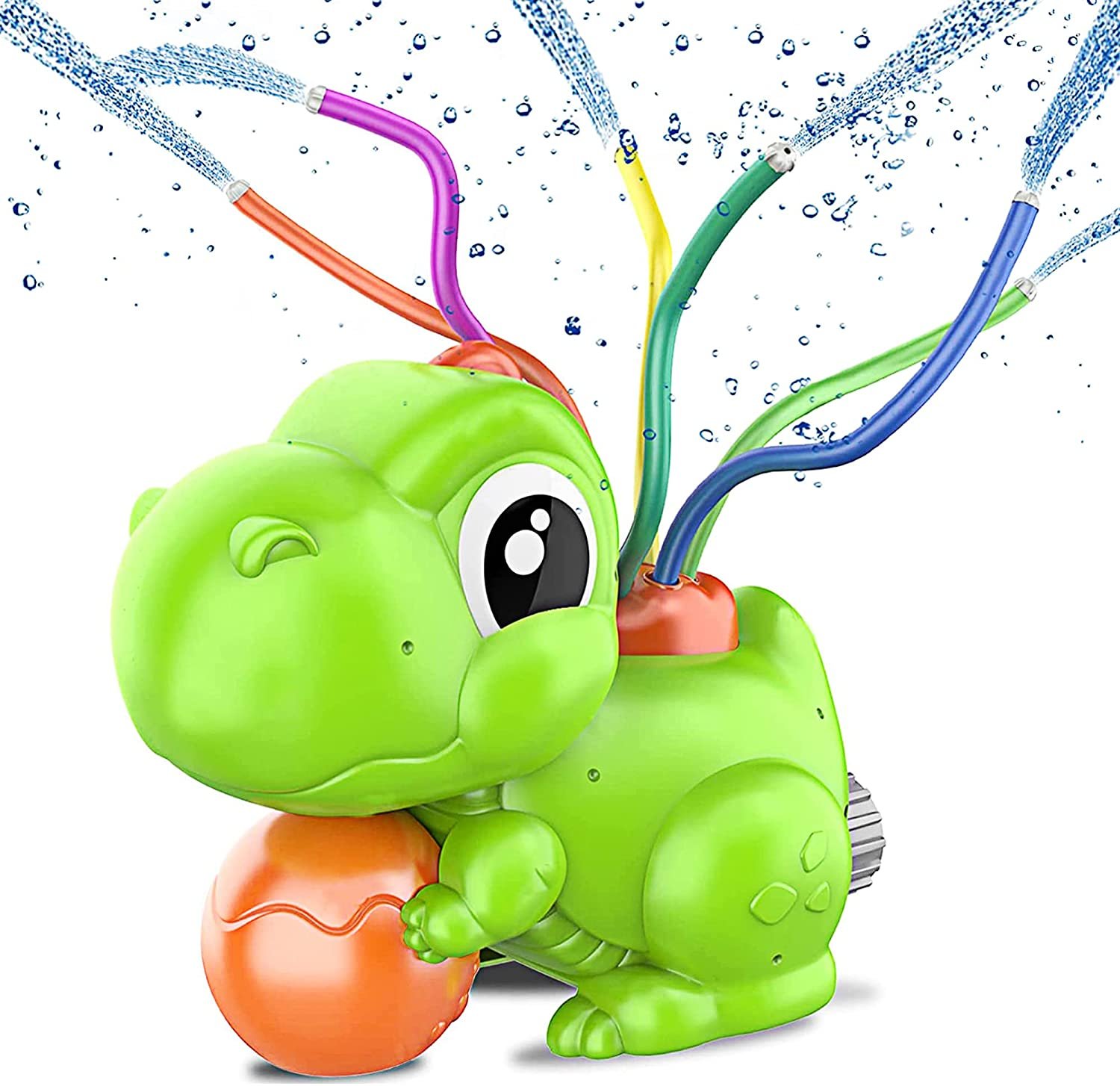
A sprinkler - I like this dinosaur one!
2 buckets/ containers
Small toys/ counters/ duple bricks (anything plastic you have at home)
2 shade areas (created with tents, trees, umbrella, hanging a sheet across)
Create 2 shaded areas in the garden, place a bucket/ container in each. Set up the sprinkler in the middle. The challenge is for your little one to move all the toys/counters/ duplo bricks from one shade spot to the other…through the sprinkler!
Have fun, and let me know how you get on! Click on the images below for links.
Note: some of the links are affiliate links, which means if you click through and choose to buy the item via my link I earn a small commission on your purchase.

Speech and Language Therapy Assistant Vacancy
Speech and language therapy assistant vacancy in London - part time position with private speech therapist
Part-time position

I’m hiring! But why now?
With an increasing demand for private speech and language therapy and my diary getting fuller and fuller, I have decided that it is time to expand and take on a speech and language therapy assistant! I have to admit, I can’t wait!
Expanding my one-woman team(!) will allow…
More families to receive direct therapy
An opportunity to train-up and inspire a future SLT!
A more cost-effective way for families to receive therapy
What will the job entail?
Within this role you will work closely with myself, a Specialist Speech and Language Therapist, to support families in and around South-West London.
Delivering therapy sessions, at times independently in clients homes, schools and nurseries.
Support in the implementation of assessments and screenings of new and existing clients.
Assist in the evaluation of therapy programs and target setting.
Create therapy resources.
Liaise directly with clients, parents/carers, members of the child’s team.
Assist in the creation and delivery of training for families, and education staff.
Who is this role for?
Do you love working with children? Would you like to work for a forward thinking and innovative therapist? Then this role is for you!
This role is suitable for you if…
You have experience working with children in a healthcare or education setting.
You have well developed communication skills including effective verbal and written communication in English.
You have good problem solving skills.
You have an understanding of, or willingness to learn about, paediatric Speech and Language Therapy approaches.
You are able to keep legible and accurate records in accordance with legal and professional standards.
Good organisational skills and the ability to prioritise.
For more information, and to request the full Job description and person specification please email me welcome@southwestSLT.co.uk

How to get your child talking
Top tips to get your toddler talking through teaching them how to request for their favourite toys and foods
Start or develop your little one’s communication skills through teaching them to ask for the things they want and need…

“How can I help my toddler talk?” This has to be one of my most asked questions!
Along with “what is ‘normal’ speech development?” and “when should my child be talking?”.
Luckily I have some top tips for you to help boost your little one’s speech & language skills.
I am going to focus in this post on how you can support your little learner to ask for the things they want. If you are looking for more general advice, check out this blog post where I talk about what you can do while waiting for speech & language support.
Why work on requesting?
Requesting (asking for things) is the earliest developing form of communication. Whether little ones are asking for food, a nappy change, our attention or a preferred toy this is where it all starts!
It gives instant results! We can show little ones that we are listening and understanding them with our behaviour very easily.
It reduces frustration. Imagine really wanting something but not being able to communicate that need - horrible!
How to work on asking?
💰Give a small amount of the item 'for free'.
🗣️ Model the sign/ word they need.
⏸️ Pause, quietly.
💰Give a small amount 'for free'.
This means exactly what it says! Give your little one a bit of whatever it is they want with zero expectation for them to ‘do’ anything for it. So you might give them few mini-cheddars, blow a few bubbles, give them 1/4 of the puzzle pieces they need.
By offering something for ‘free’ you are establishing motivation for the item (making sure they really want it), and setting yourself up as a helper as opposed to someone just getting in their way (by demanding they ask straight away).
🗣️ Model the sign/ word they need.
After you have given your toddler a little bit of the toy/ food they love, show them how to ask for this item. Do this by modelling the sign or saying the name of the item (e.g. “cheddars”, “bubbles”, “puzzle”).
⏸️ Pause, quietly.
Pause expectantly, and quietly wait to allow your little one time to process what has occurred. Look between your little one and the rest of the item (e.g. look at your child and then at the mini cheddars packet and back again). Often this pause alone is enough for children to have a go at saying the word to ask for more of the item.
🧡 As soon as your little one says the name of the item/ copies your sign show them you have understood and give them the rest of the toy/ food!
Ok great but what if they don’t say the word?! What do I do then?

This is really common! When talking is tricky for little ones, the pause is not enough - we need to give them a little more support. So here’s what to do…
During the pause count to 3 (slowly in your head), if nothing happens, say the word again and give your little one the rest of the toy/ food as if they said it. We don’t want to create additional frustration here so accept that on this go they weren’t quite sure what we were asking.
Choose 2-3 key toys/ foods to focus on and only work on this strategy with them. The ones you pick need to be HIGHLY motivating, and you need to be able to offer bit-by-bit, by breaking into smaller parts, or by giving a turn and then pausing.
The next time there is an opportunity with one of the key toys/ foods follow the steps above but…
Say the word and sign at the same time, and use hand-over-hand or hand-under-hand prompting to support your little one to sign along with you. As soon as they do, give them the rest of the toy/ food.
Enjoy! Let me know how you get on by dropping me a DM on instagram where I am @sw_speechtherapy