
I’m on a waitlist but I can’t wait any longer!
What can you do to support your child now?

We all know that early intervention is the way to go when supporting little ones to develop their speech and language skills, and if you’re anything like me, waiting for appointments feels like an unfair test of your patience!
Perhaps you’ve followed all the advice online and you’re doing everything you can while you wait. You’re focusing on quality time not the quantity of time you spend with your little one.
You’re getting down at their level so they can see your mouth, you’re modelling words and repeating back their utterances to them.
If you’re not sure what I’m talking about, check out this blog post here.
If you have done the above and you’re looking for more, it sounds like this has come at the right time for you!
Come October 2022 I am opening doors to my next parent-training course, the Speech and Language Toolkit!

Over 6 weeks I will teach you how to:
Increase your child’s ability to express themselves.
Reduce their frustration.
Increase your understanding of your little one’s speech & language needs so you can better advocate for them.
During the first few weeks and months working with a family delivering therapy, I take them through the same elements that I teach in this course. However, in this course I leave you with next steps so know what to do when the course ends.
This course is for you if, you have a little one aged 2-4 who is saying under 100 words and you’re looking for that bridge between doing it alone and starting therapy.

3 books to read to your toddler this September
I adore books for supporting speech and language skills. Did you know that parents who read 1 picture book a day with their child expose them to an estimated 78000 words a year?! So why not maximise this with some new stories!
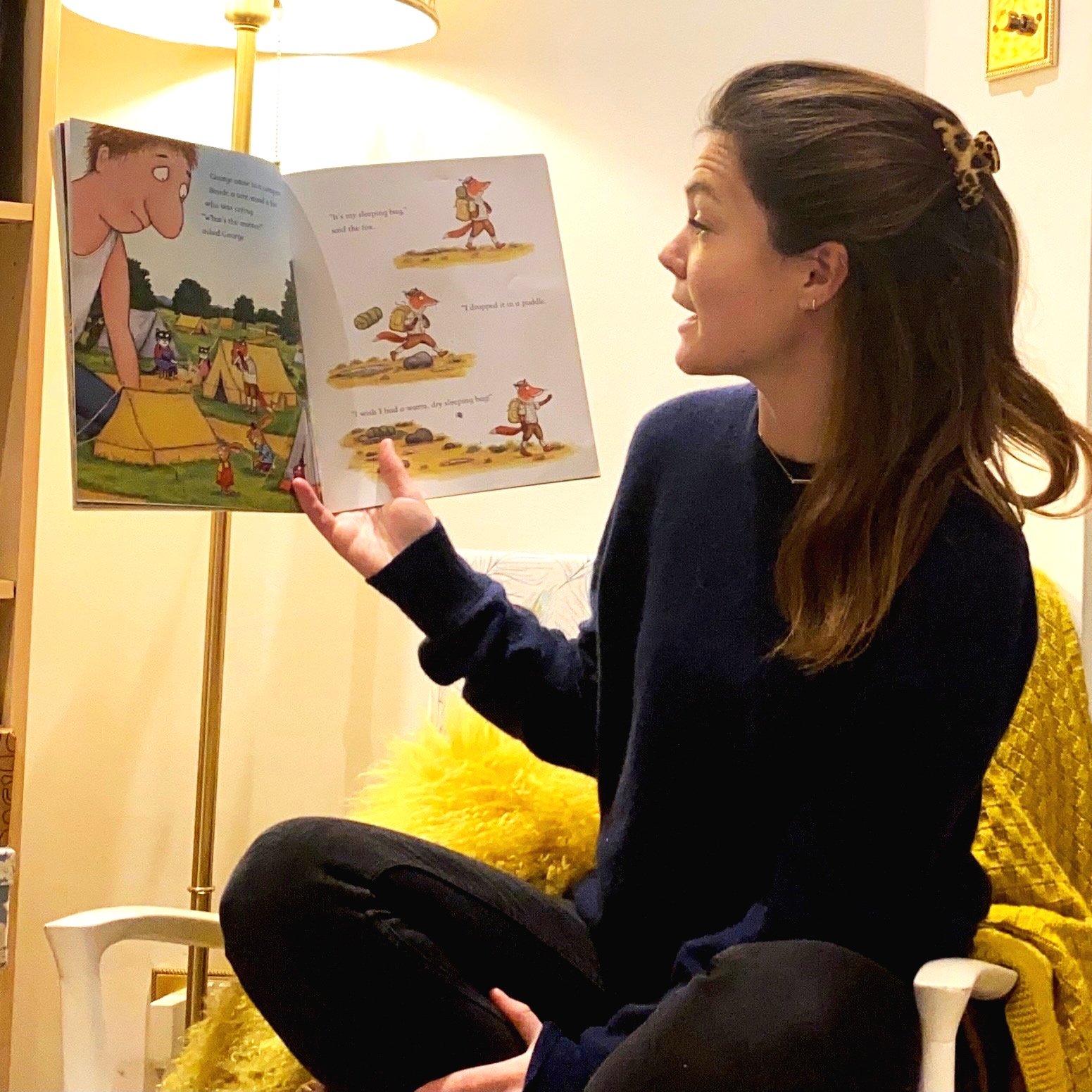
I adore books for supporting speech and language skills.
Did you know that parents who read 1 picture book a day with their child expose them to an estimated 78000 words a year?!
Books are amazing tools for language development because they expose children to familiar/ high frequency words (the words they will hear day in day out) through repetition.
They also expose them unfamiliar/ low frequency words. How often do you use the phrase “gust of wind”? If you’re like me, never! This phrase is used in one of the recommendations below, and through reading that story, you have the opportunity to teach what this phrase means in a very gentle, low-pressure way!
Reading has also been found to support bonding between parents and their children, and promotes emotional and social development. All in all, books are brilliant!
With that in mind, here is my round up of my favourite books that I have discovered during September…

Kitsy Bitsy's Noisy Neighbours by Polly Faber and Melissa Crowton
This brightly illustrated picture book is a great one for supporting speech and language skills.
It uses rhyme and rhythm to tell the story of the neighbours living in Park View Rise.
As speech therapists we often work with little ones one rhyme as it plays a role in phonological awareness (awareness of sounds and how they fit together to make words).
So choosing a book with rhyming elements is a great way to help develop your little one’s listening and auditory discrimination skills.
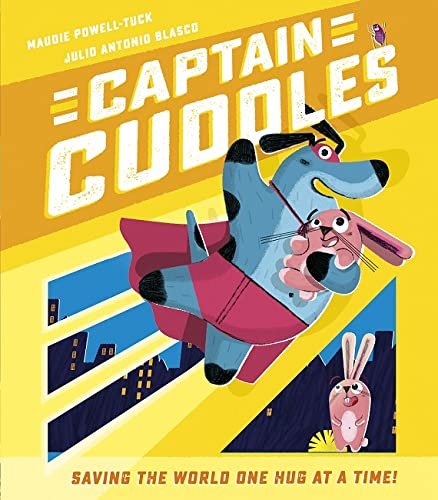
Captain cuddles By Maudie Powell-Tuck and Julio Antonio Blasco
This is a story about a super hero who turns ‘badies’ into ‘goodies’ through cuddles!
The lovely thing about this book is that it is interactive, with lift the flaps!
Lift the flap books are brilliant for working on anticipation, requesting and turn taking with little ones. Read your line and then pause to allow them to lift the flap or ask you to do so!
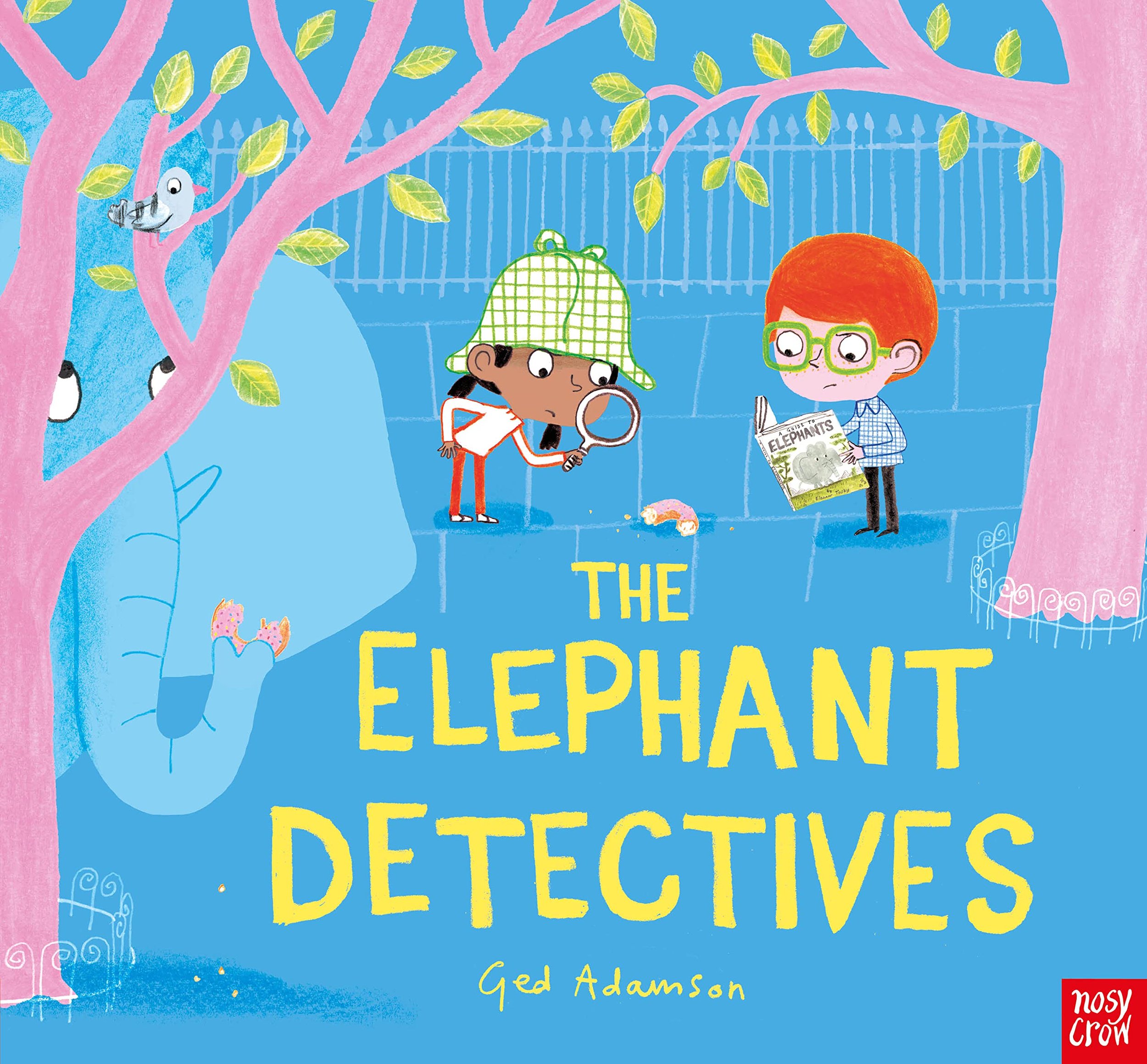
The Elephant Detectives by Ged Adamson
This is a sweet story about 2 friends who go looking for their missing elephant!
The nature of this story explores lots of different environments (on the elephant hunt) which allows for plenty of opportunity to model new vocabulary (e.g. cable car), and familiar vocabulary (e.g. inside).
Maximise this book by pausing every few pages and pointing out interesting things you can see on the pages.
When you do this there is no pressure for your little one to join in, simply for them to be present with you whilst you read. Of-course if they do point things out themselves, go with that and follow their lead!
Some links are affiliate links which means if you click through and buy using that link I will earn small commission from that purchase. Using my link does not affect the price you pay for the item. Thank you for your support!

How to take your child from 5 to 50 words!
Follow these tips to boost your toddlers talking

By the age of two years old we expect children to have around 50 words in their vocabulary and to be putting 2 words together. This blog post is for you if your little one is aged 2+ and is saying handful of single words.
Make sure you have the foundations covered!
For all children, regardless of whether talking is easy or hard for them, these are the foundations you want to make sure you have covered.
Reduce questions
It’s really easy to fall into the trap of asking children lots and lots of questions when talking is a little tricky for them. I totally get it, we want to check they are learning new words, and to see those signs of progress. Unfortunately, this does not help children develop their communication skills. So, try to reduce the questions & replace them instead with a comment.
Model words in context
This is linked to the above point. You might be wondering ‘what does modelling mean?’ Comment or label what your child is doing, looking at, playing with. It is important to follow their focus as this helps little ones attach meaning to the words you say.
Play & have fun
Children learn best when they’re having fun, so get involved in their interests and enjoy! All that lovely language you are modelling will worm it’s way in there even if it doesn’t seem like it is.

Choose your vocab!
Once you know you have all the basics covered it’s time to be a little more intentional with the way you support your little one. Here are the next steps to take…
Write a word list of 20-30 words (I know that seems like a lot but if you follow these steps it won’t feel so scary!).
Choose words that your little one doesn’t already use.
Choose words for things they want (if they don’t want Broccoli there is no point this being in the list, if they love it then go for it!).
Mix up words to ask for items, people and actions (cuddle, jump, swing, tickle).
Once you have your master list choose 5 of the most important words and have those as your words of the week!
Tell everyone in their world what these words are (teachers, childminders, grandparents, write it on the fridge, in your phone, wherever you’ll see it!).
Provide opportunities for your little one to hear these words (e.g. if ‘swing’ is one of your words… go to the park this week, or choose it on a week you were planning on going!).,
When you get to the end of the week, take stock – any new words you have heard? Want to keep going with those 5 or move onto the next? It’s up to you, you can always circle back to them later.
Enjoy and let me know how you get on over on Instagram @sw_speechtherapy!